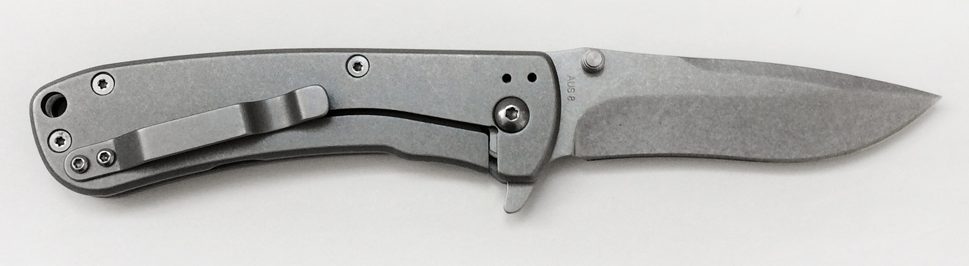
Liner lock vs frame lock: the differences explained
Most modern folding knives lock open with either a liner lock or a frame lock. The two work the same way: a sprung bar moves in behind the blade and stops it from closing. The difference is where that bar comes from, and that changes the strength, weight, look and cost of the knife. We make both kinds, so here is how they compare.
How a liner lock works
A liner lock knife has thin steel liners inside the handle, with handle scales fixed on the outside. One liner is cut and bent so that it springs inwards. When the blade opens, that sprung section moves across behind the blade tang and holds it open. To close the knife, you push the liner back to the side with your thumb and fold the blade.
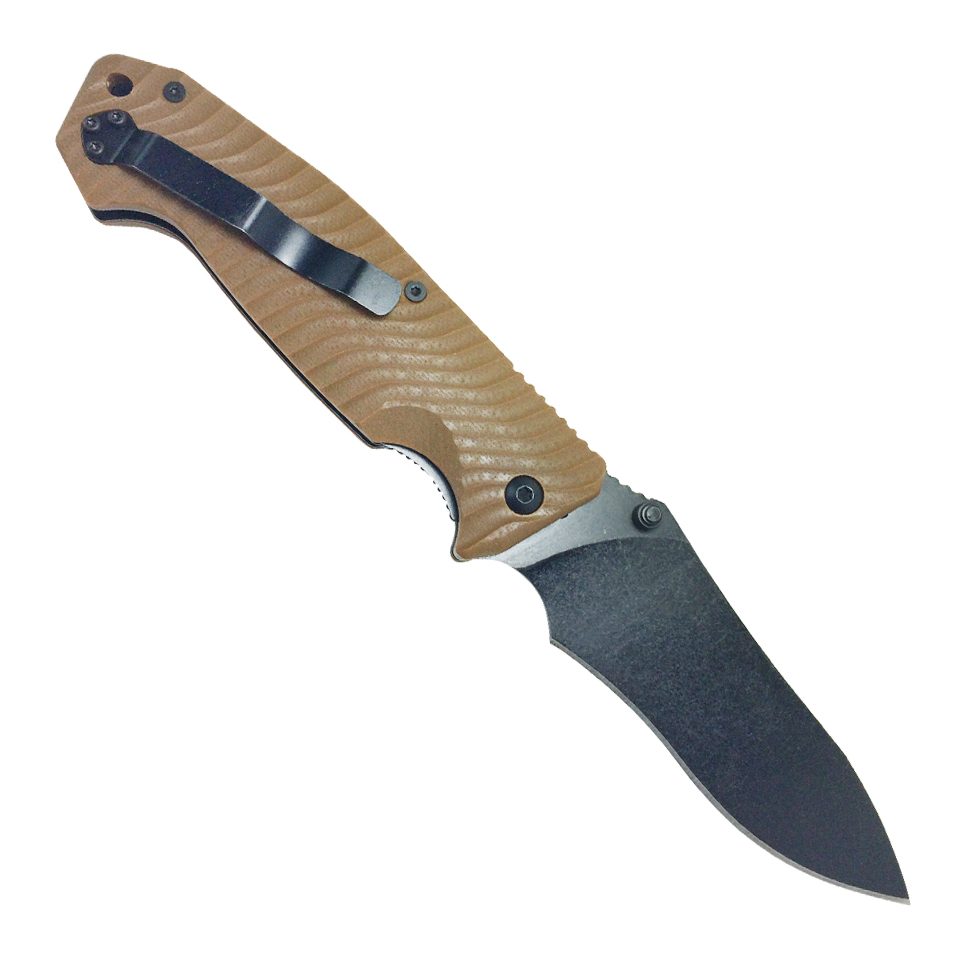
How a frame lock works
A frame lock uses the same idea without separate liners. The lock bar is cut from the handle itself, so one side of the handle is a solid slab of steel or titanium, and part of that slab springs in behind the blade. You release it the same way, by pushing the bar aside with your thumb.
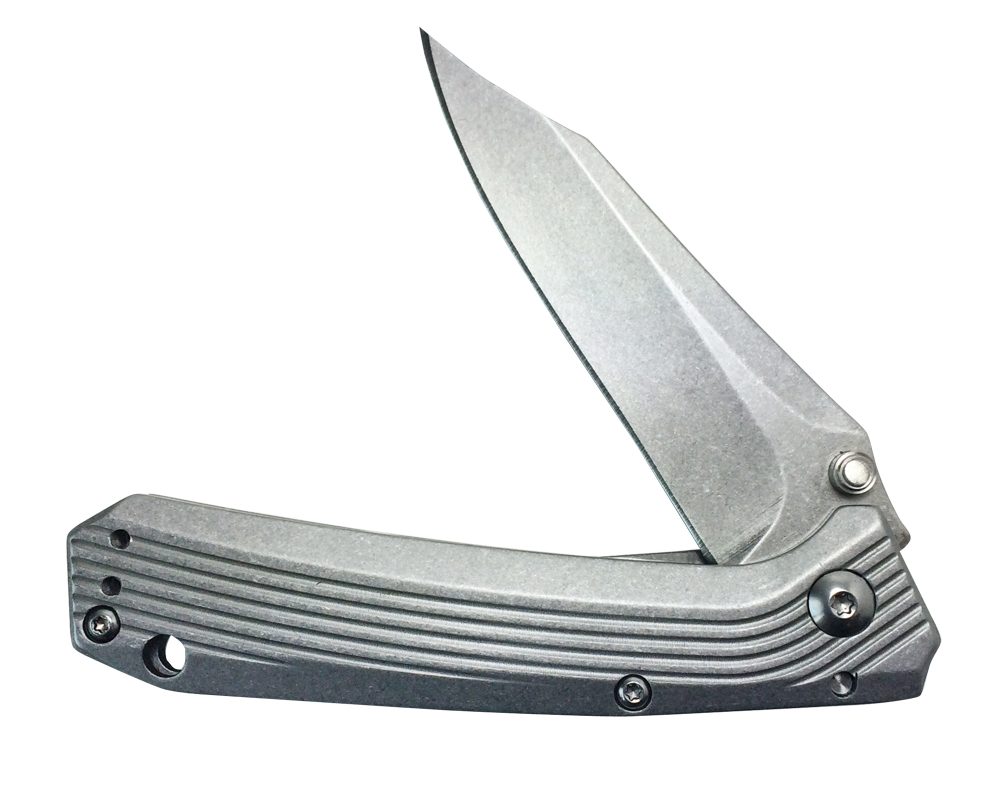
Liner lock vs frame lock compared
| Liner lock | Frame lock | |
|---|---|---|
| Lock bar | A thin steel liner inside the handle | Part of the metal handle, usually thicker |
| Strength | Strong enough for everyday use when well made | Often seen as the stronger lock, because the bar is thicker |
| Handle outside | G10, aluminium, Micarta, wood and other materials | Metal on the lock side, usually steel or titanium |
| Weight | Can be lighter, with G10 scales | Usually heavier, with a solid metal side |
| Look | Colour and texture from the scales | A clean, all-metal look |
| Cost | Usually lower | Usually higher, as the handle slab is machined |
Both locks rely on a detent ball in the lock bar to keep the blade closed when the knife is folded, and both can be combined with a flipper or thumb studs. A frame lock can also be combined with spring assisted opening, as on our models 808 and 809.
Lock wear and quality
On both designs the end of the lock bar presses against a sloped face on the blade tang. As the knife is used, the bar slowly moves further across. A well-made lock leaves room for that wear, so the knife stays locked for years. The geometry of the bar and the tang, the spring of the bar and the hardness of the parts all matter, and they are set when the knife is designed and built.
Which lock should you choose for your brand?
Choose a liner lock when you want a lighter knife, a choice of handle colours and textures, or a lower price point. Our tactical and EDC liner locks, such as models 218, 215 and 801, pair AUS8 blades with G10 handles.
Choose a frame lock when you want a solid, all-metal knife with a premium look. Our frame locks, such as models 800, 808 and 809, use AUS8 blades with stainless steel handles, and 808 adds G10 on the outside.
Either lock can carry your logo and your choice of finish. See every part you can customise, browse our EDC and pocket knives, or send us an enquiry.
Related models
 3.95" stonewash plain blade, Japanese AUS8, 4.94" machined coyote G10 handle, liner lock knife 218View model
 Outdoor camping 58/60HRC liner folding knife 801View model
 AUS8 stainless steel satin blade black G10 handle tactical knife 215View model
 2.81" Stonewash AUS8 blade stainless steel pocket knife 800View model
 Stonewash drop point blade spring assisted opening pocket knife 809View model
 Titanium grey folding pocket knife 808View model
Questions
Is a frame lock stronger than a liner lock?
A frame lock is often seen as the stronger of the two because its lock bar is part of the thicker metal handle. A well-made liner lock is strong enough for everyday use.
Which is lighter, a liner lock or a frame lock?
A liner lock can be lighter, because the outside of the handle can be G10 or aluminium instead of a solid metal side.
Do you make both liner lock and frame lock knives?
Yes. Models 218, 215 and 801 are liner locks, and models 800, 808 and 809 are frame locks.
More from the blog
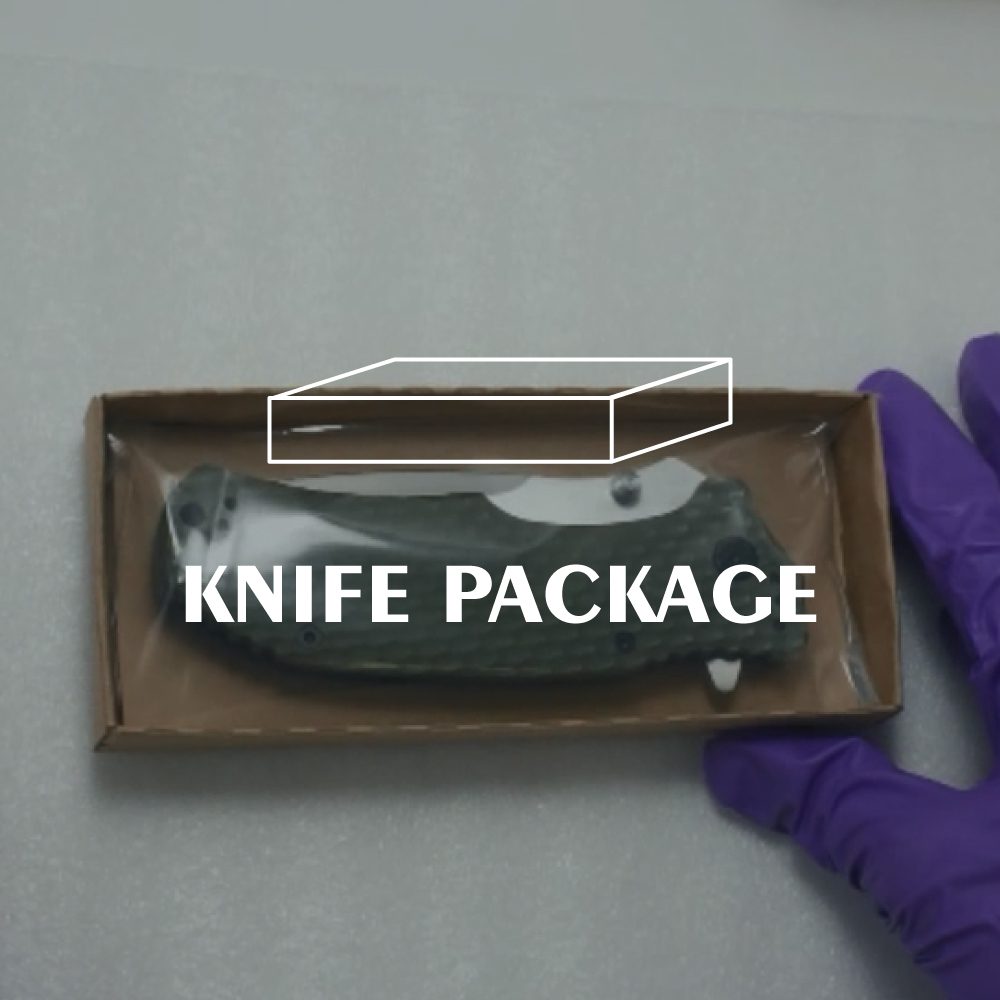
Knife packaging for your brand: boxes, blister packs and gift boxes
How we pack knives for export, and the box, blister, display and gift packaging you can choose for your brand.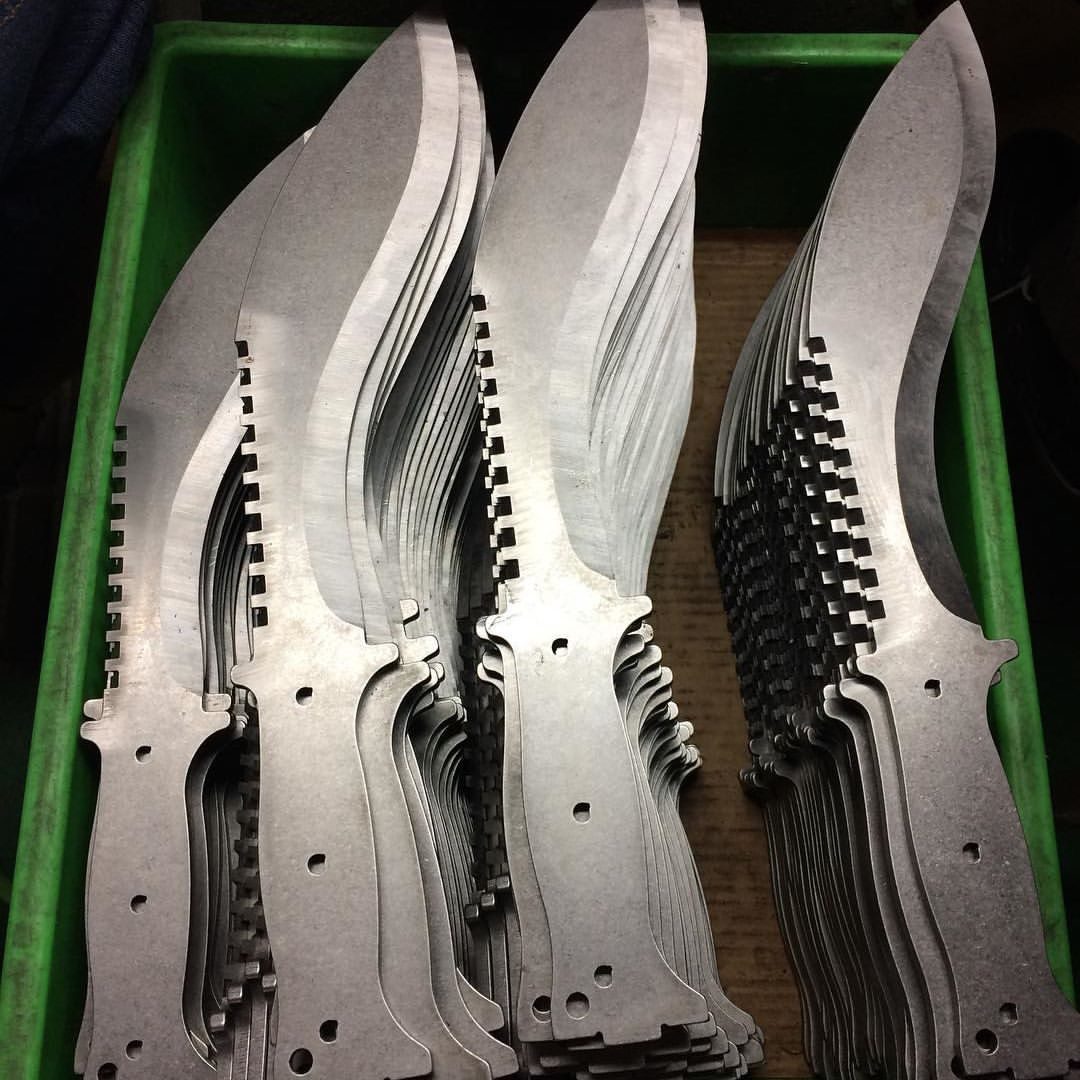
Full tang kukri: what it's used for and how we make one
Why the kukri chops like a small axe, why a full tang matters, and the steps from steel blank to finished knife.