

What is the detent on a knife? Liner lock detent balls explained
Close a liner lock knife and it stays shut, even upside down in a pocket. The part doing that job is the detent: a small steel ball set into the lock side of the handle that clicks into a hole in the blade. It's a tiny part, and it decides how a folding knife feels to open and whether it can be carried safely.
What a detent does
A folding knife has to hold its blade in two positions. When it's open, the lock does the work. On a liner lock, a sprung section of the steel liner moves in behind the blade tang and stops the blade from closing. When it's closed, nothing locks the blade, so the detent holds it in place.
The detent ball is pressed into the lock bar, the sprung part of the liner. With the knife closed, the ball drops into a small dimple drilled in the blade tang, and the spring of the lock bar holds it there. To open the knife, your thumb or the flipper pushes the blade past the ball, which pops out of the dimple. That small resistance is the "snap" you feel when a good folder opens.
Why detent tension matters
If the detent is too weak, the blade can work its way open in a pocket or a bag, which is a safety problem. If it's too strong, the knife is hard to open with one hand and a flipper may not fire cleanly. Set correctly, the blade stays closed and opens with a crisp, consistent snap every time.
The tension depends on how far the ball sits proud of the lock bar, where the dimple is placed in the tang, and how much spring the lock bar has. All three are set when the knife is made, which is why the detent is one of the first things a buyer notices about build quality.
How we set the detent ball
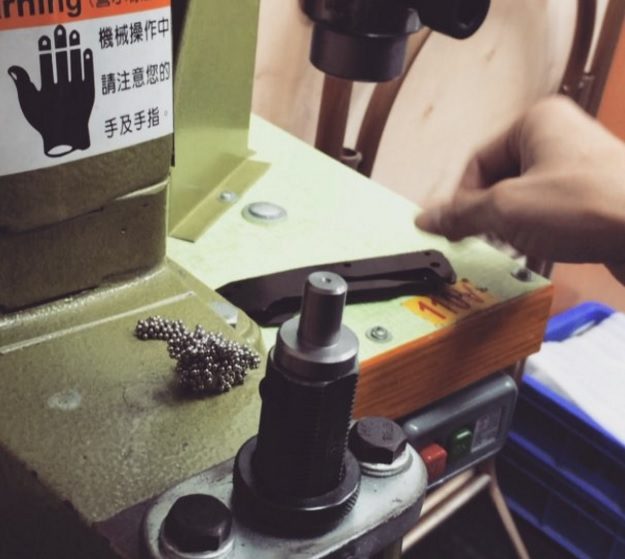
For small quantity orders, we set the detent balls into the liners ourselves, pressing each ball to the right depth. The video shows the process.
Liner lock vs frame lock
A frame lock works the same way, except that the lock bar is cut from the handle itself instead of from a separate liner inside it. Frame lock knives usually have steel or titanium handles and feel very solid. A liner lock puts the steel liner inside, so the outside of the handle can be a lighter material such as G10. Both use a detent ball to hold the blade closed. We make both; see our EDC and pocket knives.
Related models
 3.95" stonewash plain blade, Japanese AUS8, 4.94" machined coyote G10 handle, liner lock knife 218View model
 Stonewash drop point blade spring assisted opening pocket knife 809View model
 Outdoor camping 58/60HRC liner folding knife 801View model
Questions
What is the detent on a knife?
A small steel ball in the lock bar that clicks into a dimple in the blade tang. It holds a folding knife closed until you push the blade open.
Can a detent ball be replaced?
Yes, but it is pressed into the lock bar and has to sit at the right depth, so replacing it is a job for the maker or a knife repairer with the right tools.
Do frame lock knives have a detent?
Yes. Liner locks and frame locks both use a detent ball to keep the blade closed.
More from the blog
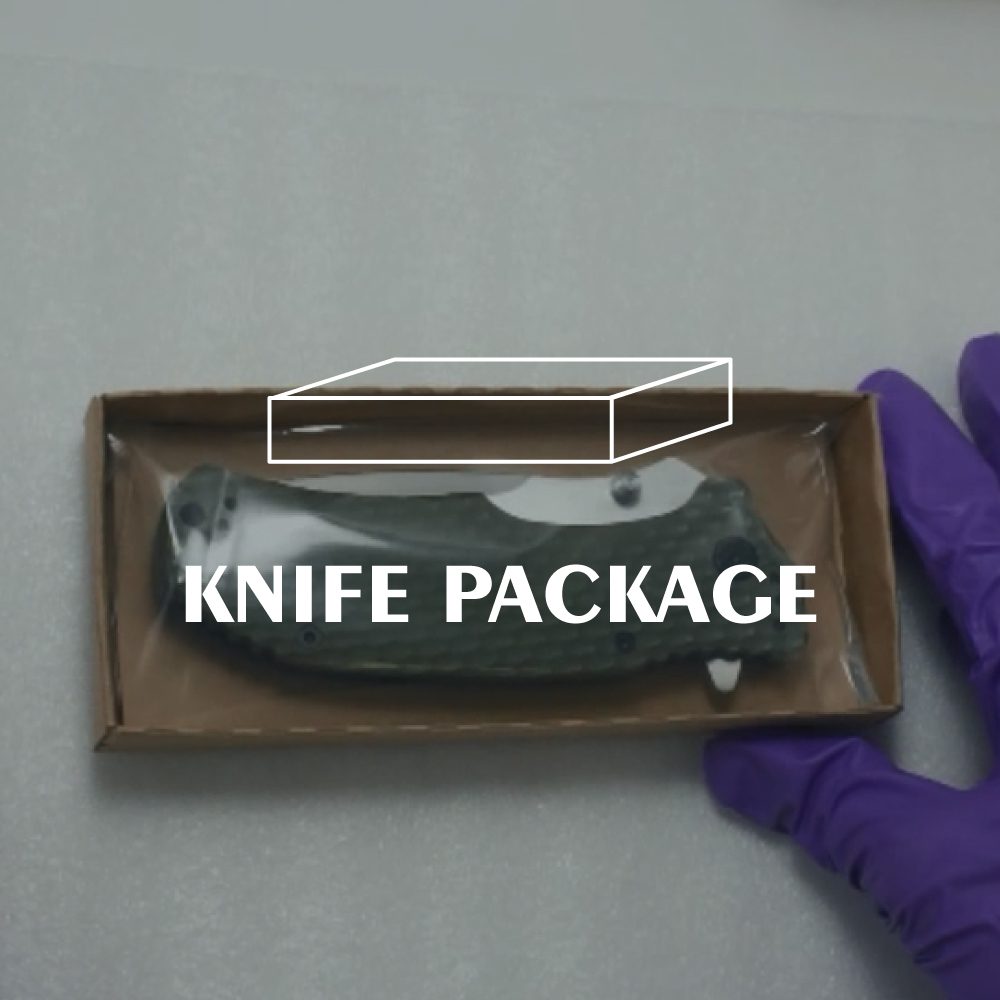 Knife packaging for your brand: boxes, blister packs and gift boxesHow we pack knives for export, and the box, blister, display and gift packaging you can choose for your brand.
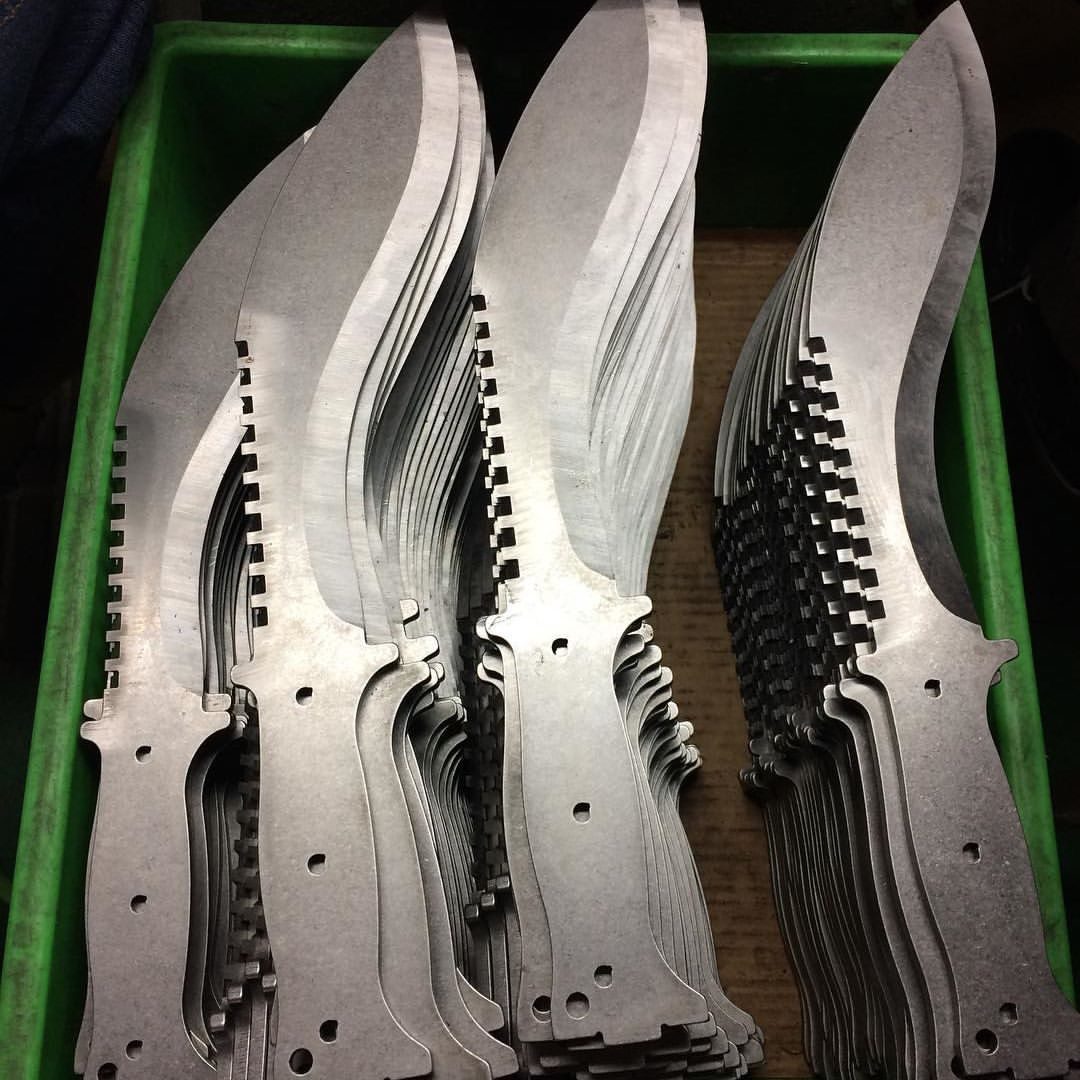 Full tang kukri: what it's used for and how we make oneWhy the kukri chops like a small axe, why a full tang matters, and the steps from steel blank to finished knife.
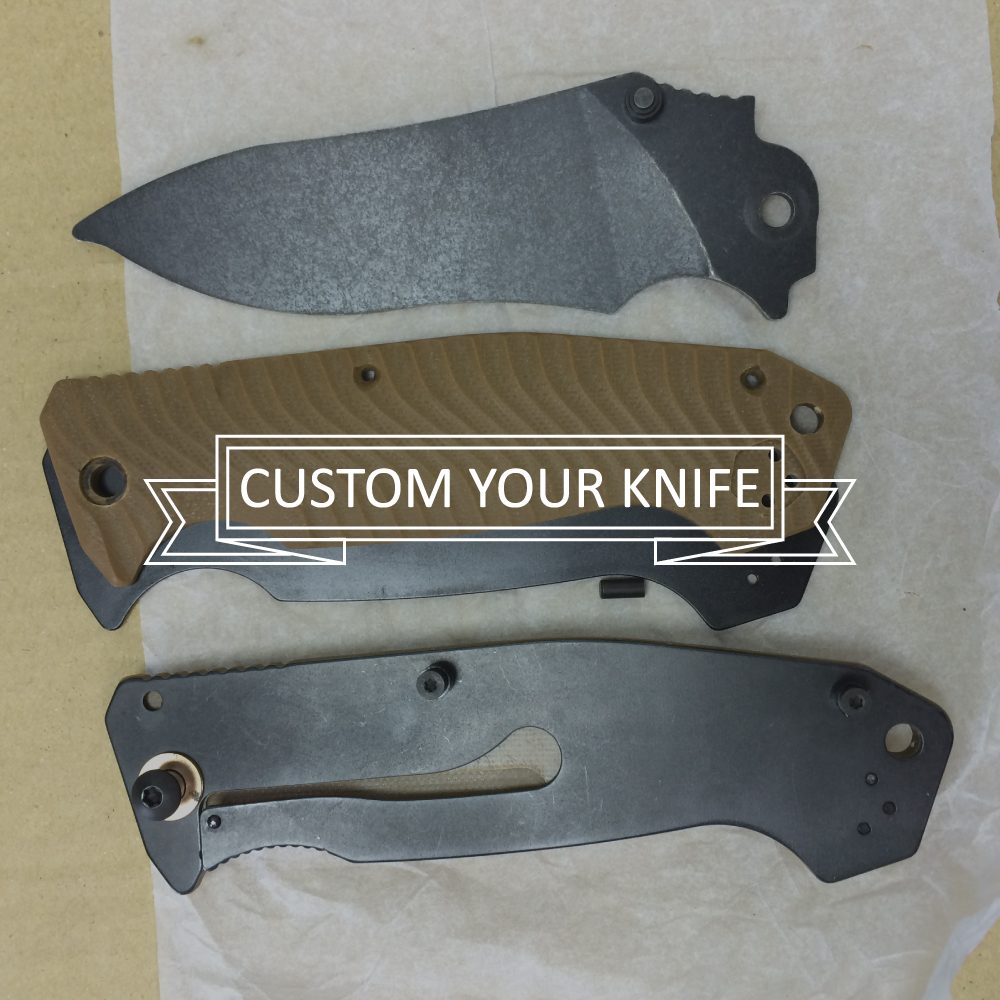 Spring assisted knives vs switchblades: how assisted opening worksHow an assisted opener works, how it differs from a switchblade, and what our assisted folders are made from.

